What a Milonga Actually Is
Not a show, not a class: the social institution where tango lives - tandas, cortinas, the codes, and why it's the best cheap night in the hemisphere.
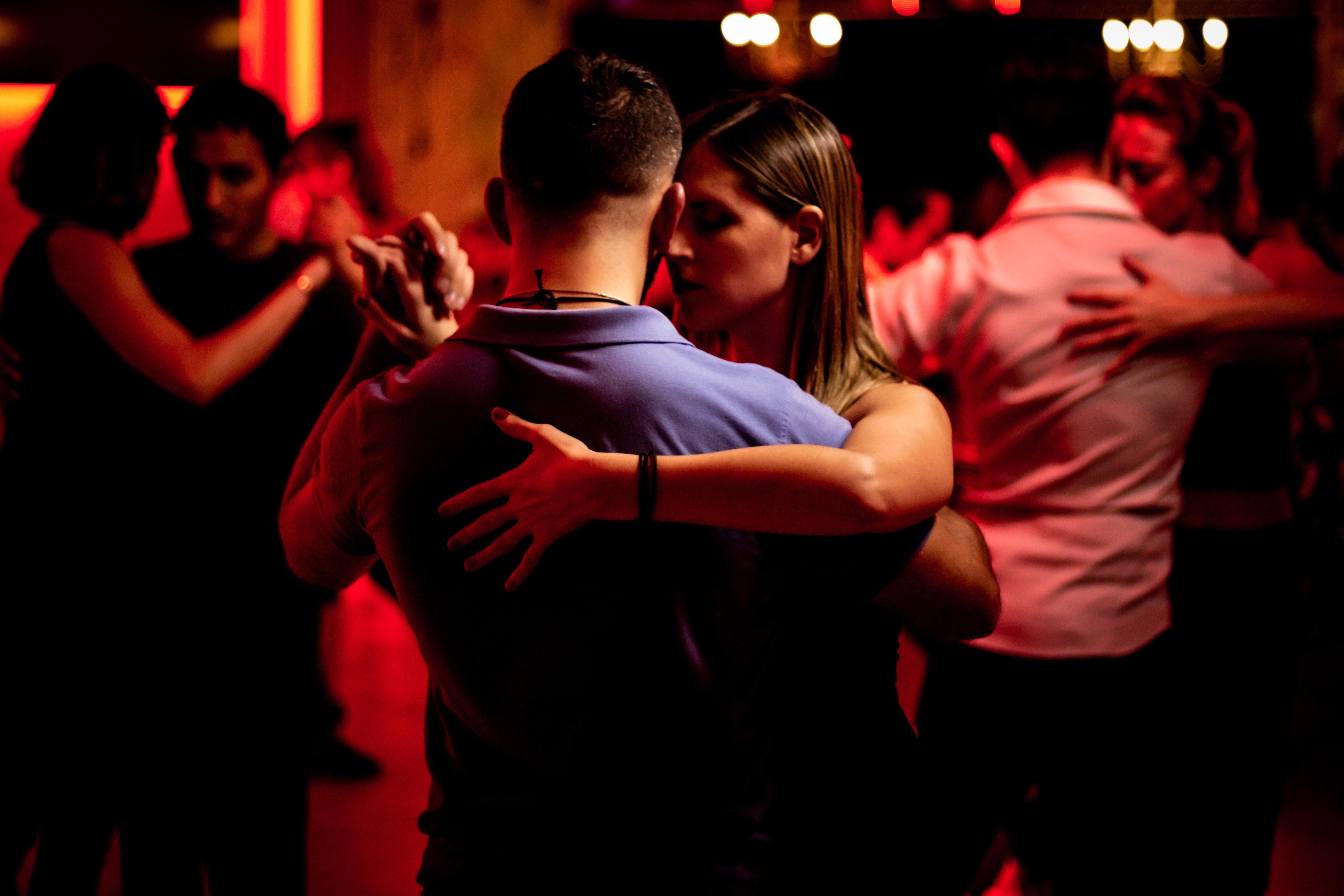
Confusingly, “milonga” names three things: a musical style, a dance, and - the meaning tourists actually meet - the social night where people dance tango. The third is the one that explains this whole city.
The architecture of the night
Music comes in tandas - sets of three or four songs in one style - separated by cortinas, snippets of deliberately undanceable music that clear the floor. You dance a tanda with one partner, thank them at the cortina, and the room reshuffles. Invitations happen by cabeceo across the room; the floor moves counterclockwise in lanes; and conversation happens between songs, never during. None of this is stuffiness - it’s machinery that lets a room of strangers dance in close embrace all night without a single awkward negotiation.
Why it’s not a show
Nobody performs at a milonga. The best dancer in the room and the visitor on week one share the same floor, and showing off is the one reliable faux pas. That’s the difference from the theatre shows - and the reason a milonga, at a few dollars on the door, delivers the thing no $100 ticket can: the culture with you inside it.
Getting inside it
Watching is free-ish and welcome. Dancing needs the codes and a working walk - which is the whole case for the guided first night (4.8/5 across 97 bookings) or a lesson before you go. The room rewards preparation exactly as much as it ignores spectators.
Can't Make These Dates?
Browse More Available Options
Find a tour that fits your schedule — all with instant confirmation and free cancellation.
Book the Guided Milonga Night
4.8/5 across 97 bookings. A lesson, then a real milonga with professional dancers to partner you, hotel transfers included - free cancellation to 24 hours.
Check Availability